
TIFFANY ROSE SKIN & AESTHETICS
Lipo Cavitation
Support your body contouring goals, non-invasively.
Discover lipo cavitation at Tiffany Rose Skin & Aesthetics. This non-invasive treatment uses ultrasound technology to target stubborn areas and support smoother-looking body contours. We’ll discuss your goals, suitability and what to expect before you decide on treatment.

LIPO CAVITATION
Contour with no surgery
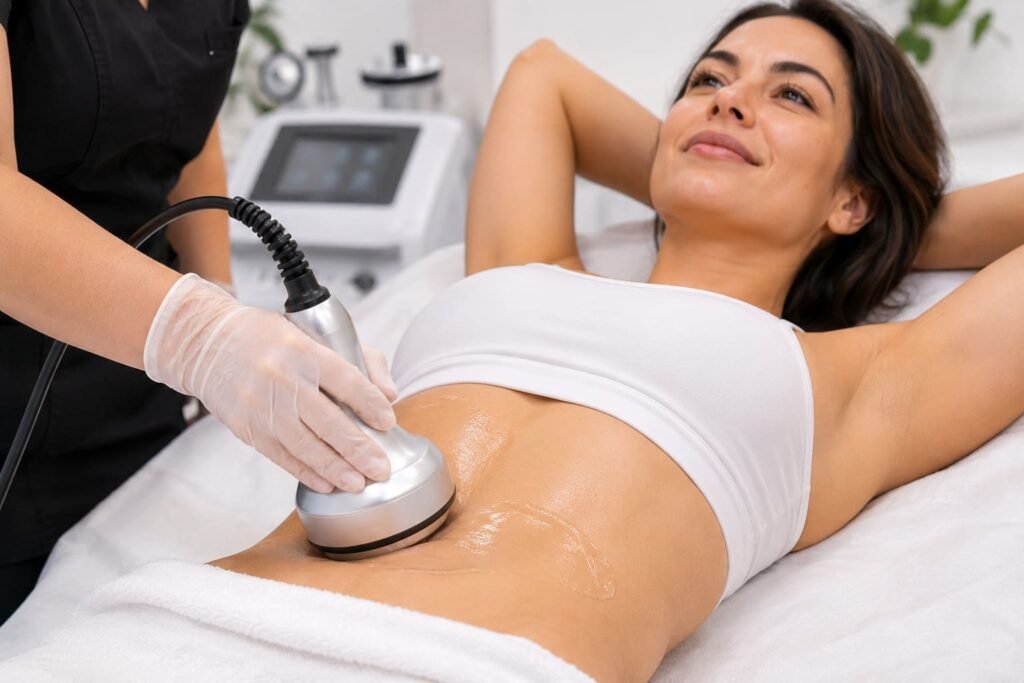
Lipo cavitation uses low-frequency ultrasound waves applied to the skin’s surface to target localized areas of fat. It is a non-invasive treatment with no needles or incisions, and may help support the appearance of smoother, more contoured areas such as the abdomen, flanks and thighs.
Your treatment plan depends on your body, goals and suitability. It is not a weight-loss solution. During your consultation, we’ll explain the process and what to expect so you can make an informed decision.
PERSONALIZED SKINCARE
What lipo cavitation can help address
Lipo cavitation can be tailored to your body contouring goals.
01
Stubborn areas
Discuss areas such as the abdomen, flanks or thighs where you would like to improve the look of contours.
02
Body contouring
Learn how ultrasound cavitation works and what results may be realistic for you.
03
Skin & body tone
We’ll review your suitability, how you may feel during treatment, recovery and important aftercare.
04
A non-invasive option
Understand the recommended plan and decide on your next step when you feel ready.
YOUR TREATMENT, STEP BY STEP
A considered approach to body contouring
We’ll guide you through each stage so you know what to expect before, during and after treatment.
01
Consultation
Book a consultation so we can discuss your goals and check whether lipo cavitation may be suitable.
02
Prepare for treatment
We’ll discuss your goals, medical history and any preparation advice, including hydration.
03
Lipo cavitation treatment
Your provider will explain the treatment areas, likely number of sessions and realistic expectations.
04
Aftercare & maintenance
Follow your personalized aftercare guidance, stay hydrated and support your results with healthy habits.
A GOOD PLACE TO START
Is lipo cavitation right for you?
Lipo cavitation may be worth discussing if you have localized areas you’d like to contour and are looking for a non-surgical option alongside a healthy lifestyle.
Suitability varies. It may not be appropriate for everyone, and some medical conditions, implants or medications can affect whether treatment is recommended. A consultation helps establish an appropriate plan.

Lipo Cavitation FAQs
A few helpful answers before your visit.
What is lipo cavitation?
Lipo cavitation is a non-invasive body contouring treatment that uses low-frequency ultrasound applied to the skin’s surface to target localized areas. Your provider will explain the treatment steps, how it feels and what to expect afterward.
What can it help with?
It may help support the appearance of smoother, more contoured areas in targeted zones. It is not a weight-loss treatment, and results vary from person to person depending on individual suitability, lifestyle and goals.
How many sessions might I need?
The number of sessions depends on your goals, the treatment area and how your body responds. Your provider can suggest a personalized treatment plan during your consultation.
Is there downtime after treatment?
Lipo cavitation is non-invasive and most people can return to their usual activities afterward. Some temporary redness, warmth or sensitivity can occur, and we’ll explain aftercare before you proceed.
How should I prepare for my appointment?
Follow the preparation instructions provided by your clinic, which usually include staying well hydrated. Share details of medications, medical conditions and recent treatments during your consultation. Avoid making changes to prescribed medication unless your clinician advises you to.
Who may not be suitable for lipo cavitation?
Lipo cavitation may not be suitable for everyone, including people who are pregnant or breastfeeding, have implanted electronic devices such as pacemakers, or have certain medical conditions. Share your medical history, medications and recent treatments so your provider can assess suitability.