
TIFFANY ROSE SKIN & AESTHETICS
Chemical Peel
Reveal smoother, brighter-looking skin.
Discover chemical peels at Tiffany Rose Skin & Aesthetics. This treatment uses a professionally applied exfoliating solution to support a smoother-looking texture and a fresher, more even-looking tone. We’ll discuss your goals, suitability and what to expect before you decide on treatment.
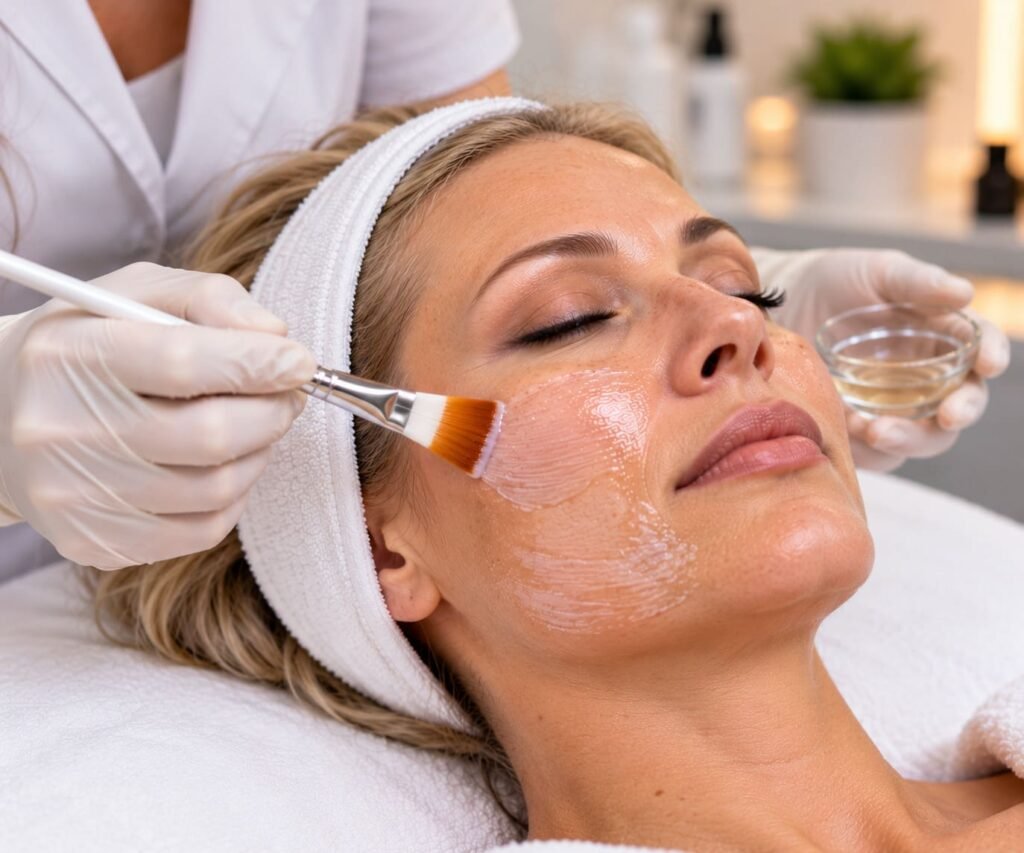
CHEMICAL PEEL
Refresh your skin’s surface
A chemical peel applies a carefully selected exfoliating solution to the skin to help lift away dull, outer layers. This encourages the skin’s natural renewal process and may help improve the appearance of uneven tone, rough texture, fine lines and congested skin.
Your peel type and strength depend on your skin, goals and suitability. During your consultation, we’ll explain the process, expected recovery and aftercare so you can make an informed decision.
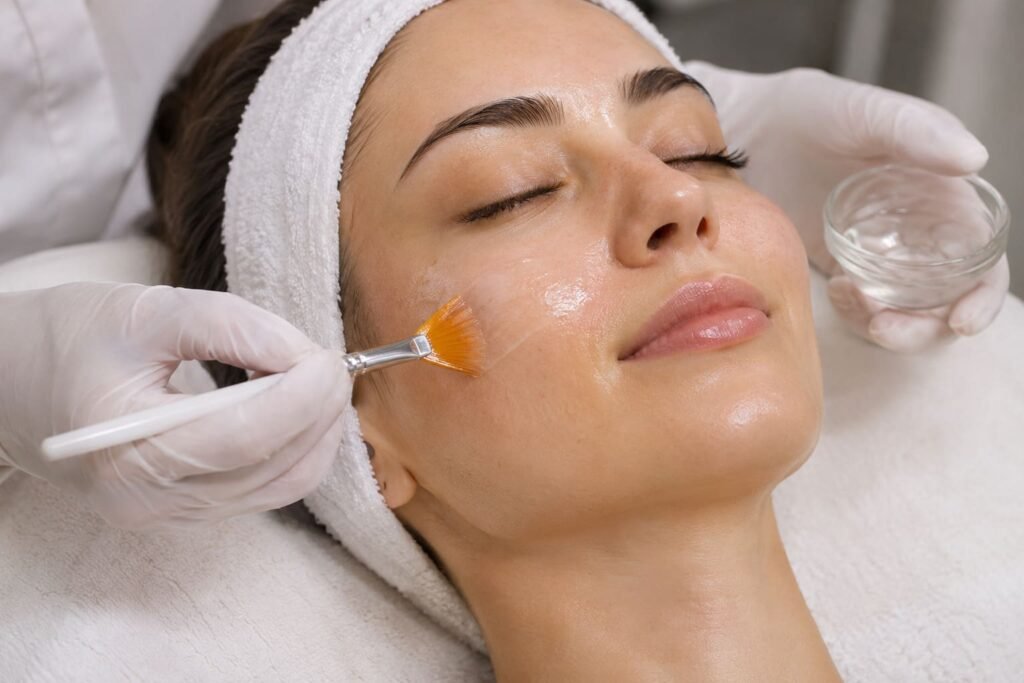
PERSONALIZED SKINCARE
What a chemical peel can help address
A chemical peel can be tailored to your skin concerns and treatment goals.
01
Skin texture
Discuss areas where you would like to improve the look of rough texture, dullness or overall skin quality.
02
Uneven tone
Learn how a chemical peel works to exfoliate the skin and what results may be realistic for you.
03
Fine lines & glow
We’ll review your suitability, possible redness or flaking, recovery time and important aftercare.
04
The look of congestion
Understand the recommended plan and decide on your next step when you feel ready.
YOUR TREATMENT, STEP BY STEP
A considered approach to healthier-looking skin
We’ll guide you through each stage so you know what to expect before, during and after treatment.
01
Consultation
Book a consultation so we can discuss your skin concerns and check whether a chemical peel may be suitable.
02
Prepare your skin
We’ll discuss your skin goals, medical and skincare history, and any questions you have.
03
Chemical peel treatment
Your provider will explain the peel type, likely number of sessions and realistic expectations.
04
Aftercare & recovery
Follow your personalized aftercare guidance and allow your skin time to recover.
A GOOD PLACE TO START
Is a chemical peel right for you?
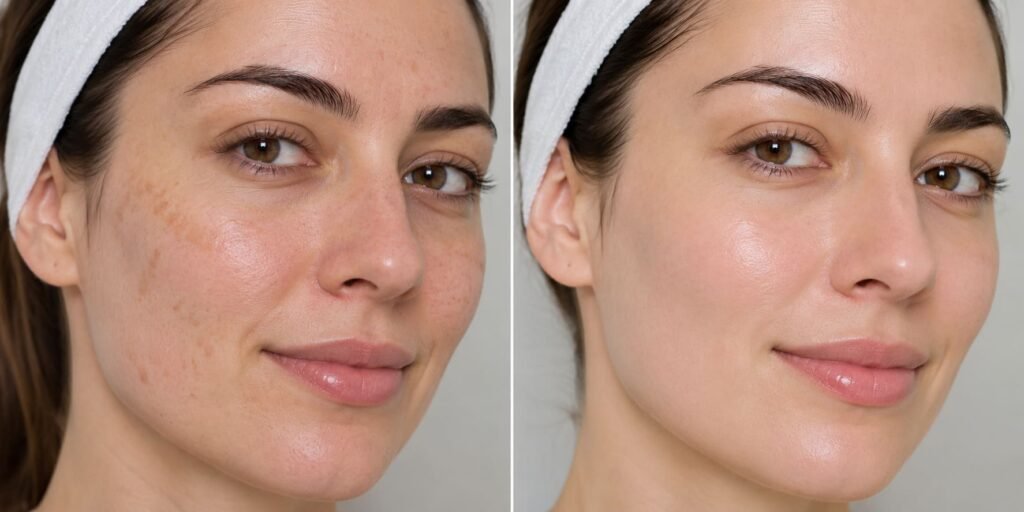
A chemical peel may be worth discussing if you’re concerned about uneven tone, dullness, rough texture, fine lines or congested skin.
Suitability varies. It may not be appropriate for every skin type or medical history, and some conditions, medications or recent treatments can affect whether a peel is recommended. A consultation helps establish an appropriate plan.
Chemical Peel FAQs
A few helpful answers before your visit.
What is a chemical peel?
A chemical peel is a professionally applied exfoliating solution that helps remove the outer layers of the skin. It is designed to support the skin’s natural renewal process. Your provider will explain the peel type, the treatment steps and what to expect during recovery.
What skin concerns can it help with?
It may help improve the appearance of uneven tone, rough texture, fine lines and congested skin. Results vary from person to person and depend on individual suitability and treatment goals.
How many sessions might I need?
The number of sessions depends on your skin concerns, goals, the type of peel used and how your skin responds. Your provider can suggest a personalized treatment plan during your consultation.
Is there downtime after treatment?
Some redness, dryness, flaking or sensitivity can occur after treatment, and recovery varies by person and peel strength. We’ll explain expected downtime and aftercare before you proceed.
How should I prepare for my appointment?
Follow the preparation instructions provided by your clinic. Share details of medications, skin conditions, recent treatments and any history of cold sores or unusual scarring during your consultation. Avoid making changes to prescribed medication unless your clinician advises you to.
Who may not be suitable for a chemical peel?
A chemical peel may not be suitable for everyone, including some people with active skin infections, open wounds, certain skin conditions, or specific medical circumstances. Share your medical history, medications and recent treatments so your provider can assess suitability.